
Keira’s Story
In the summer of 2022, Keira was diagnosed with acute lymphoblastic leukaemia (ALL) and began treatment in the Royal Belfast Hospital for Sick Children. Keira, now our Young Ambassador, is sharing her story to raise awareness of the impact of childhood cancer and the need for support.
I am Keira, and I am 18 years old. I am working towards my A-levels, and work part time as a cleaner. I am also a sister, I am one of 15 siblings! I love reading, murder mysteries, and watching movies, sometimes even in Spanish. I have also had cancer, acute lymphoblastic leukaemia (ALL). When I was diagnosed, my dad was amazing. He was there for me, he didn’t question it. My dad had so many people to think of and to look after, and he did that, but he was always there for me.
When you are told you have cancer, it’s like you’re in a mist, there’s darkness, there’s nothing untouched by cancer. You’re overwhelmed, you’re scared, you’re going through emotions you’ve never felt before. There’s no certainty.
I was 14 when I started feeling unwell. I had a sore back that came and went. Over the summer I was taken to the GP. I then went to the hospital twice but was told there wasn’t anything wrong. I knew there was. I tried not to think about it. I started back to school in August and became even more unwell. My dad brought me back to the GP. I had more blood tests.
My dad received a call telling him to take me straight to the hospital.
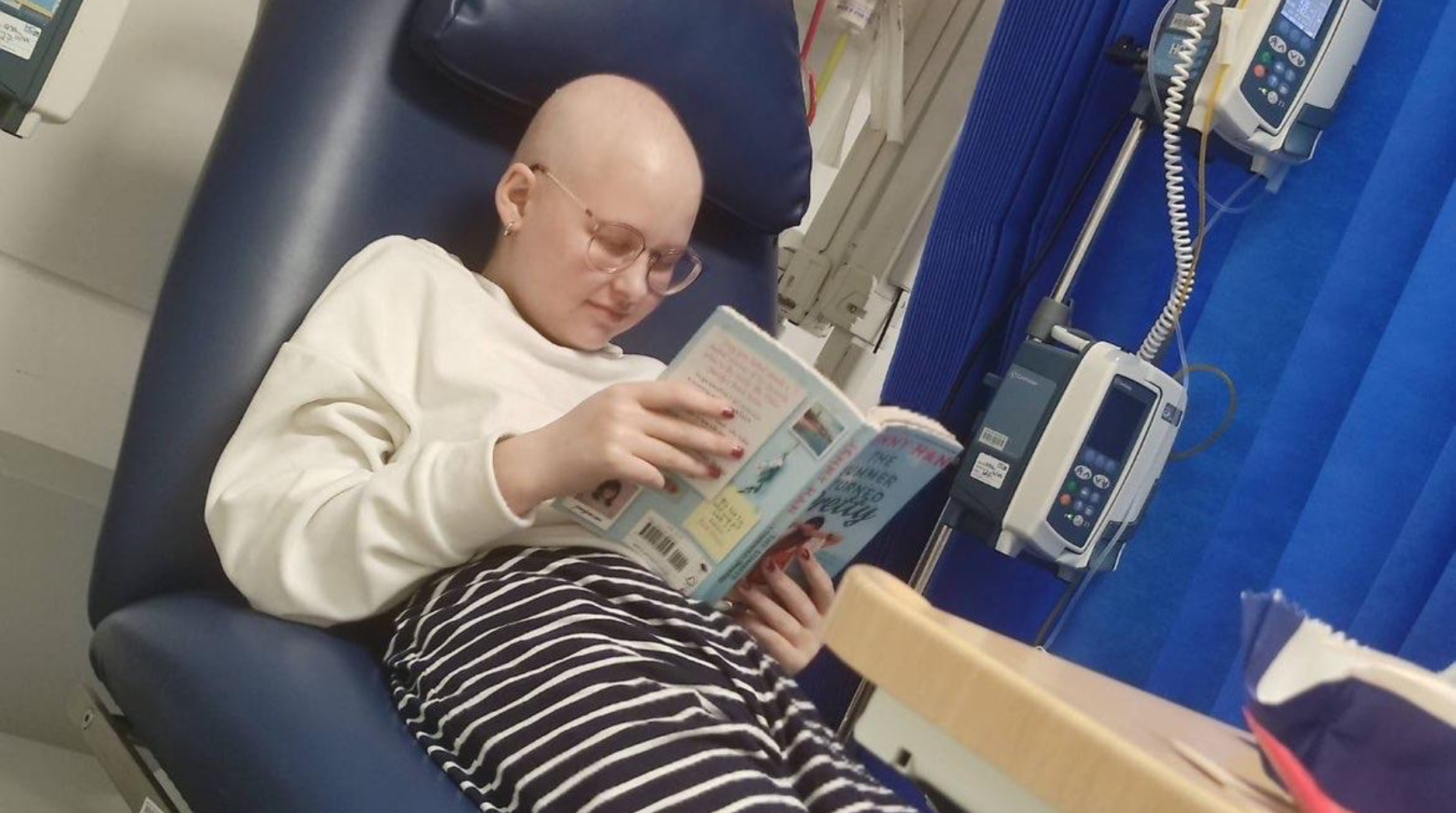
I was admitted and taken straight to the Children’s Haematology Unit. I saw the words, but I didn’t know what that meant. When I was told I had cancer I was in complete shock, so was my dad. For months I lived in a hospital room with my dad, hooked up to drips, having my blood taken. I had procedures and so many medications. No choices, no control, no freedom.
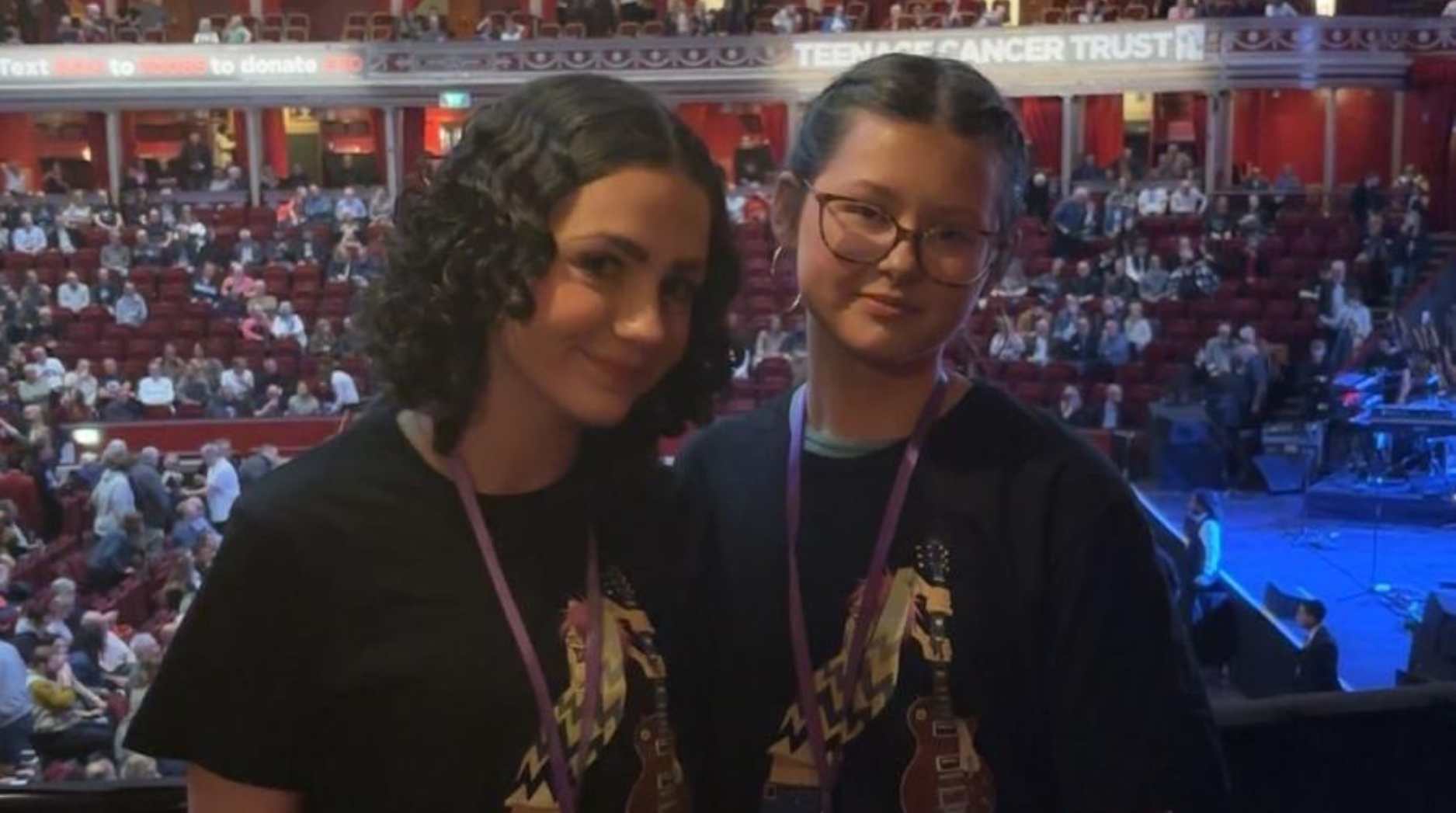
For me, when I think of how cancer impacted me, it’s as if I was in a car. I knew where I was travelling to, but suddenly all these lanes were opening up. Sometimes the lanes lead to things like losing my hair, and other times flying to London and being on stage in the Royal Albert Hall. It’s a journey.
Some of it’s awful, some of it really isn’t.
After being in hospital for so long, and it becoming a safe place, being discharged was really hard. I was pleased to be heading home, but it wasn’t the same home I left. I was still on a medication timetable, I still had so many restrictions. It was like the hospital had been packed into a backpack to be sent home with me. When I got home, nobody knew how to act around me. I felt like I was in a field, all the farm animals circled around me, and I was a scarecrow in the middle. My siblings were avoiding me. I just wanted to say ‘you can talk to me, I’m not going to break’. Now, I get it, I looked different, and for my siblings, I don’t think they understood at all what had been happening. They hadn’t been able to see me for months.
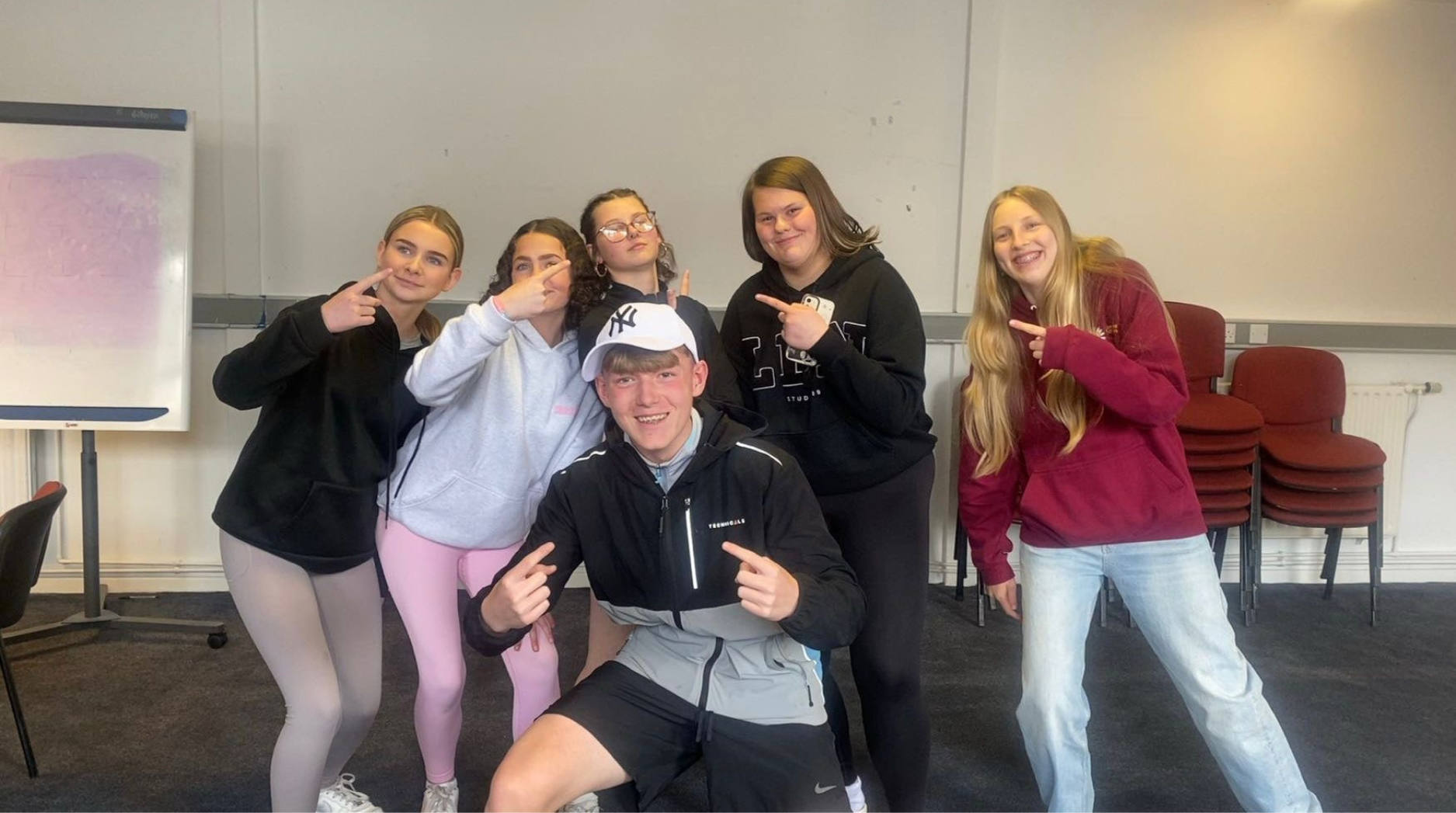
Cancer Fund for Children helped me feel less alone. I took part in groupwork which was incredible. Having the chance to spend time with other teenagers was really special, getting to socialise and be myself. We didn’t all go through the exact same things, but they got it. They weren’t afraid to hear it, or to ask questions. Being together with others who have also been through this experience makes you realise that you aren’t alone. Groupwork allowed me to live in the moment. We had a big campfire, we laughed, like properly laughed. I forgot all my problems. I then joined the Youth Engagement Group, giving me the opportunity to have a say about what I think is important, to meet other young people, and to gain confidence.
This influenced me to become a Young Ambassador.
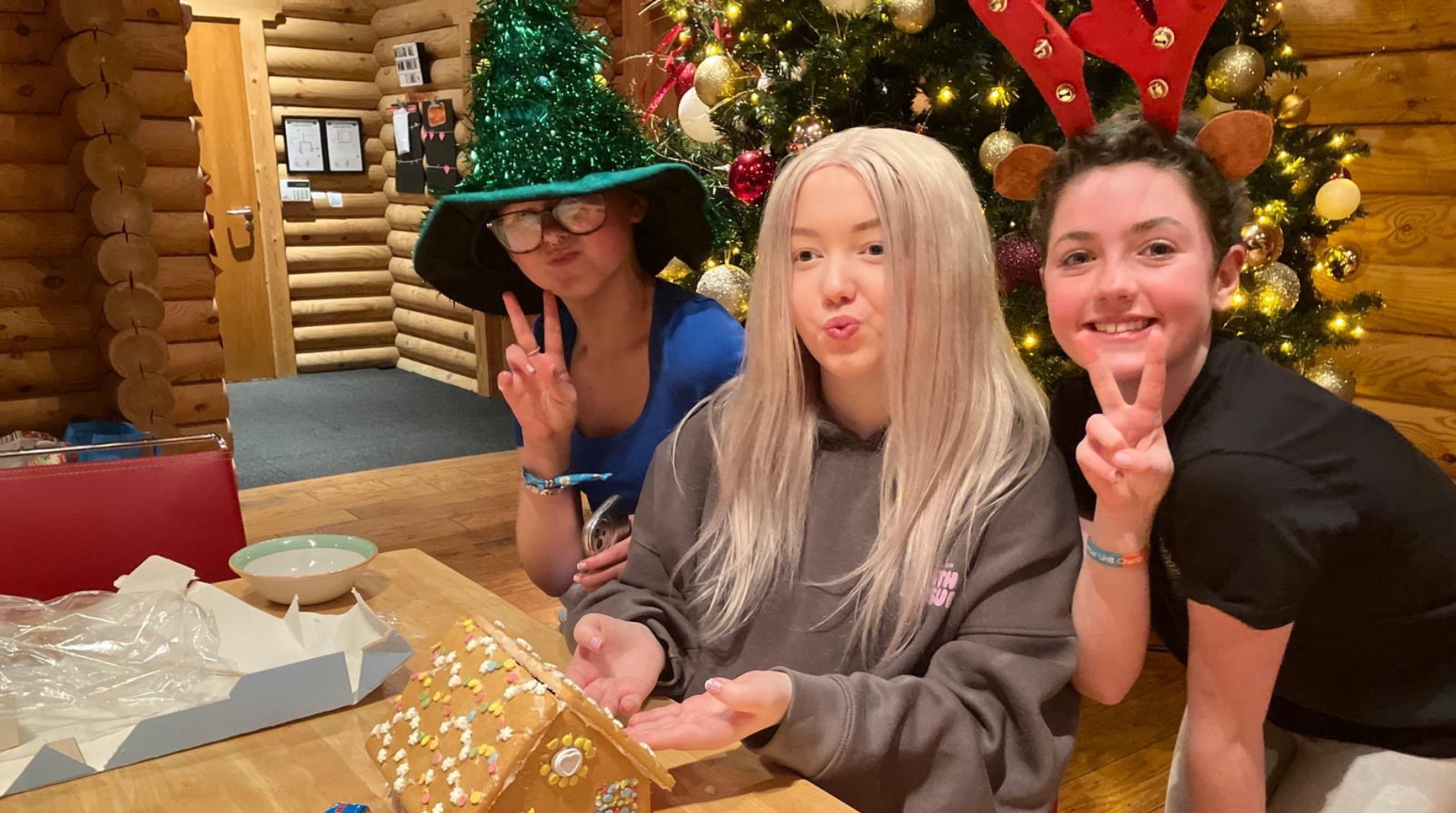
While in hospital, I met Cancer Fund for Children’s Youth Support Worker, Lucy. Lucy knew what I needed, even when I didn’t. Lucy was such an important part of how I got through those months in hospital, and how I experienced treatment. With Lucy, I wasn’t a check list or a task for her to do. I could stop thinking or worrying when Lucy was there, she took the weight off. I used to wish I could freeze those moments in time. When Lucy brought games or activities it was like being a kid again, it was fun and me and my dad got to experience that together.
When I got home from hospital, I met Karen, a Cancer Support Specialist who came out to our house. For my siblings and I, we felt disconnected, none of us knew what it had really been like for the others, we had all changed in different ways. Karen brought us together as a family, through playing games or making crafts. Karen knew it was not just my journey, but my siblings as well, and my dad’s and granda’s, she just got to know who was so important to me. Karen found out what my needs were and embraced them. Karen really helped me figure out what I could do with my life, how to process what had happened to me.
Karen really gave me hope.
Karen introduced me to other opportunities, and knowing she’d be there along the way really helped. I did so many things, I went to pizza nights, escape rooms, and I went sailing. I was on a plane for the first time. I really wanted to meet others, but I was so nervous. I was a teenager, and what if they don’t like me? What if we had nothing in common? Karen helped me work through these worries and I was able to go on groupwork with Cancer Fund for Children, where I met one of my now best friends.
As a family we stayed at Daisy Lodge a couple of times. It was exciting to go somewhere other than hospital, and my whole family could go, we hadn’t all been together in so long. There were activities and things for everyone to do. My dad and I had complementary therapies. We’d never had that before, but because it was offered by Cancer Fund for Children, I felt safe to try something new. Time stood still at Daisy Lodge and I could forget about cancer. In Daisy Lodge, it feels like there’s nothing wrong with you and you have that time to be with your family in a safe space. There’s no cooking, or chores, you are just enjoying each other’s company.
I loved that. I was a regular person in Daisy Lodge, it’s a place where no one can judge you. You can be a child again, you can play on the swings and have fun.
You also get to meet other families there, which was good for everyone to meet other parents and other siblings too.
You might think the most important thing for teenagers is education and exams, but really the most important thing is friends, because they bring out the true person in them. But when I was diagnosed with cancer as a teenager, the importance of friendship was reduced because you can’t see them anymore, you can’t talk to them about personal matters, and you can’t take part in friend hangouts. When you’re in the group chat, you’re there, but it’s like you’re not really there. It’s like you’re a ghost because you’re not able to take part in the group activities and it’s so hard to express your emotions and what you’re going through. As much as it’s hard to not be able to join in activities with your friends, it can be even harder as you flick through stories seeing them live on with their lives while your life is paused.
When you go through cancer you feel lost and lonely, you aren’t sure about anything, and from what I have been told your friends and siblings feel the same. They are terrified, they don’t know what’s going on, but they’re also scared to upset you by asking questions. There’s a lot of misinformation, a lot of whispers and lots of rumours. If kids aren’t told proper information, if they are told not to ask questions, they will make up their own answers and they will believe what they hear from their friends.
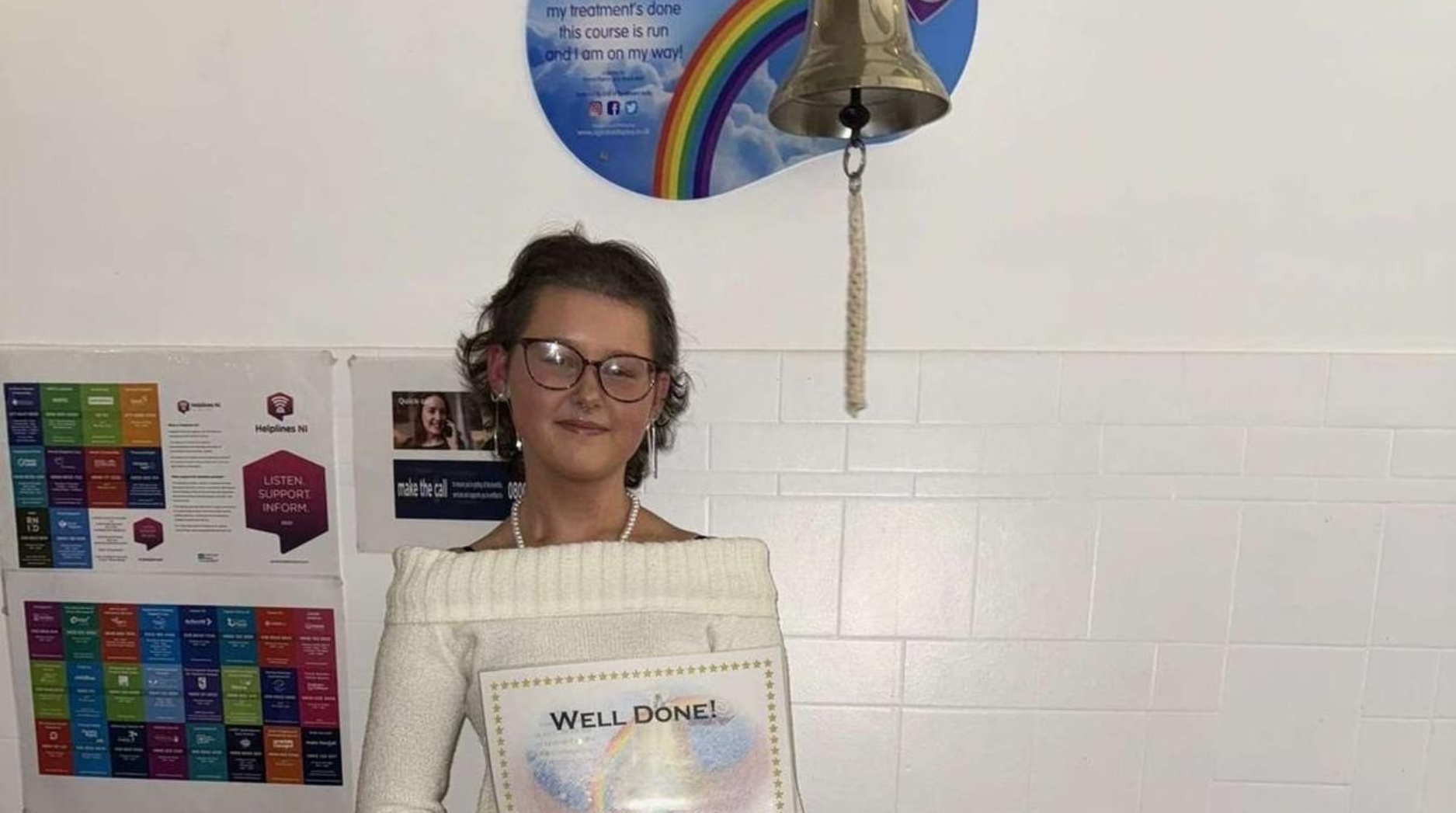
There were things I learnt during treatment, about medications, hair loss, my body. If I had known these things before I got sick, it would have been less scary. I know people want to protect children and young people from hearing about cancer, but if we normalise some of that, it reduces the fears. I think it’s so important that people talk about cancer, saying what it is, and what happens. It is so important that young people can access this information, to support their friends, and to understand what people go through. Cancer doesn’t just effect one person’s life, it effects so many people.
Cancer Fund for Children can’t take away the cancer, but they can make life with cancer better, for you and for others in your life.
They can talk to you, help you understand. They don’t avoid the difficult conversations. By talking and sharing information, they can help take away some of the fears. When you’re told you have cancer, you think you have no control over your life, but Cancer Fund for Children can help you see that you do have choices, and that those choices matter, that you can still have fun and do new things.
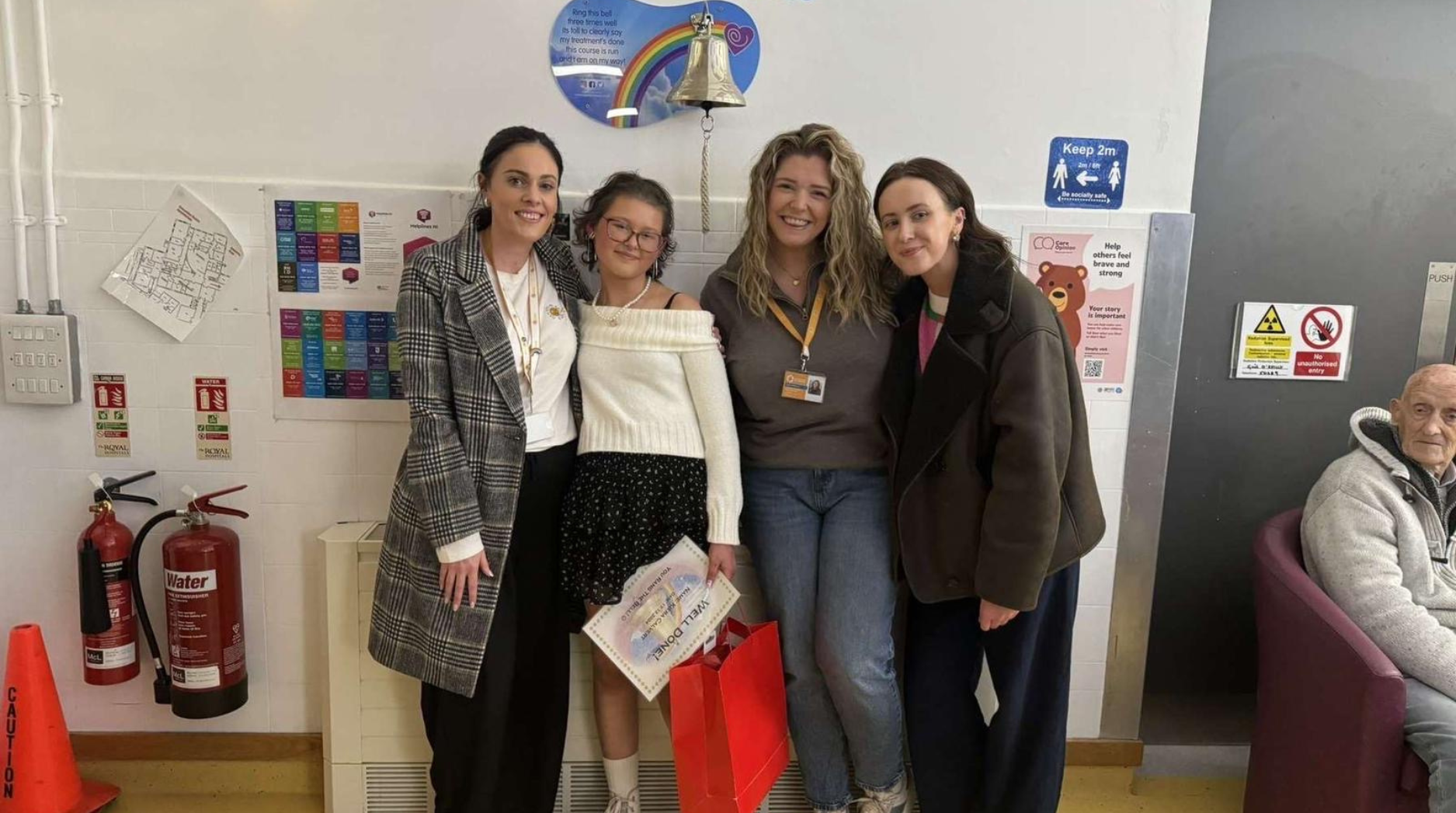
Before I met anyone from Cancer Fund for Children, I was in a void, and without the support I have received, I would have been left there. There would have been no bridge to connect me to other people, to bring me back to my family and my friends, and to help me see what I can achieve. I would have been stuck, I wouldn’t have done so many things. Cancer can impact people in so many ways.
By supporting Cancer Fund for Children, you’re giving a young person like me the opportunity to have someone to go into that void with them, to be beside them and then help them figure out a way out.
This Adolescent and Young Adult Cancer Awareness Month, find out more about how we support young people like Keira here!